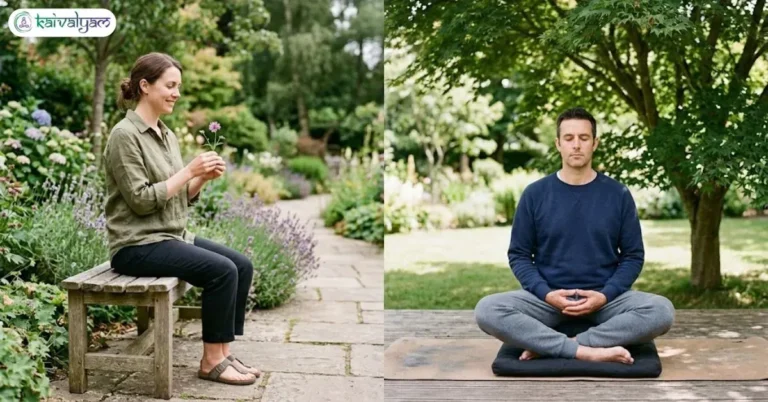
When we consider stretching, we relate it to exercise and athletics. The reality is that stretching is not only necessary before any vigorous physical activity or a sporting event, but it also has to be practiced in your day-to-day life, even by people who are not athletes. It is, in fact, a natural process for the body. Daily stretching of the body parts to improve the body movement.
What does Stretching do for the Body?
Daily stretching is beneficial for the overall body. When we are sleeping well, our legs are automatically stretched, and when we wake up in the morning, we have the urge to stretch our arms. Of course, we require some form of daily stretching to the rest of the body and especially the important muscles.
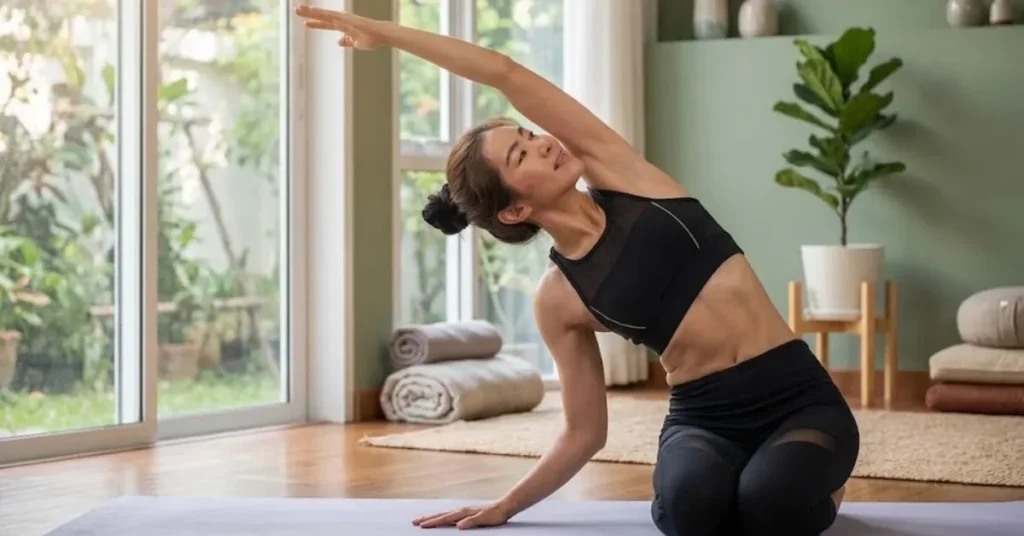
Likely, we are not aware of it, and because of our sedentary existence, our muscles, over the years, are the victims of our wrong positions and have been rendered motionless. As an example, when we are sitting all day long, the hamstring muscles become stiff. When the hamstring muscles are tight, we will not be able to straighten our legs or even stand straight.
Different Types of Stretching
There are different types of daily stretching that help to improve your fitness.
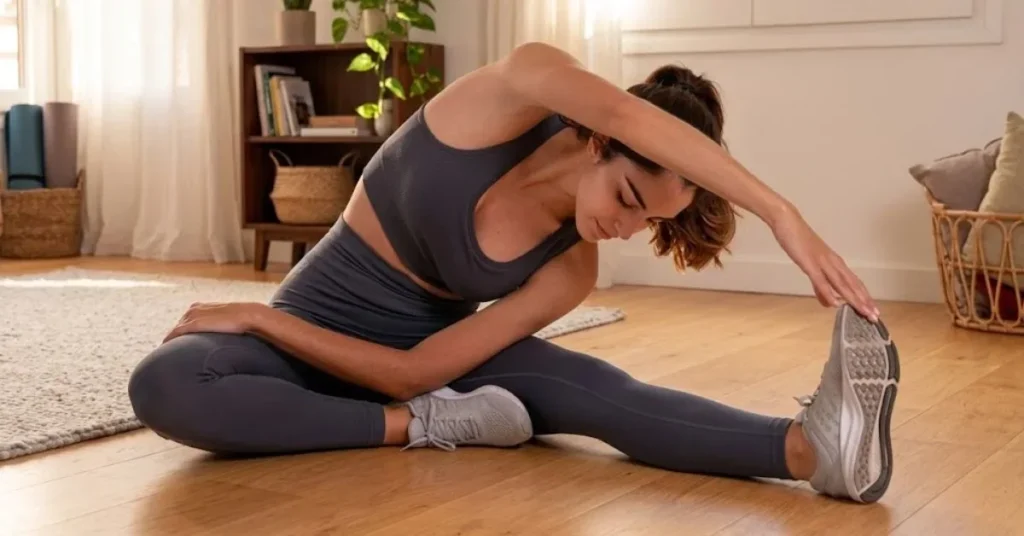
1. Static Stretching
Static stretches occur when you maintain your stretches for 15 to 20 seconds without any motion. They are done to loosen the muscles post-exercise. In January 2020, the Scandinavian Society of Clinical Physiology and Nuclear Medicine published a review article, which stated that pre-exercise static stretching decreased the overall muscular strength and maximal performance of an individual. This is the reason why dynamic stretching is suggested before exercise as an alternative to static stretching.
2. Dynamic Stretching
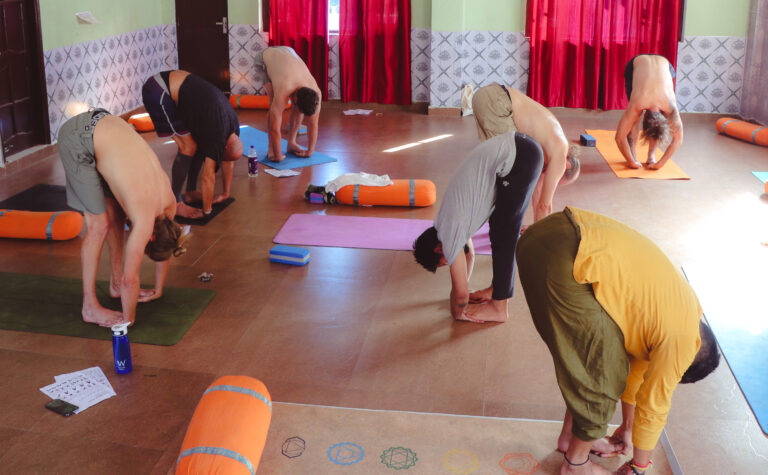
Dynamic stretching refers to a movement of a joint or muscle in a complete range of motion. This helps in getting your cold muscles ready for exercise. Dynamic stretching may be performed either prior to or following a workout and is a more suggested type of stretching. Flexibility stretches for beginners are simple movements that gently loosen tight muscles.
You May Also Like:- Are Short Yoga Classes Enough
When Should You Practice Stretching?
There are specific times when practising stretching ensures more effectiveness.
1. Before Exercise/Physical Activity
There is no reason why warm-ups should not be taken before an exercise. Without warming up with stretches, the cold muscles are likely to be injured or perform poorly. This is the reason why you will see that football or cricket players engage in stretching exercises before any match or practice. It is recommended that one stretches to warm up the muscles before any activity that is strenuous. It results in improved performance and injury prevention.
2. After Exercise
Strenuous physical activity or sport may cause your muscles to be sore. Daily stretching is also required to relax the muscles and release tension. The pains or any form of tightness can be corrected through the appropriate stretching exercises. Stretching exercises for flexibility help increase the range of motion over time.
3. After Sitting
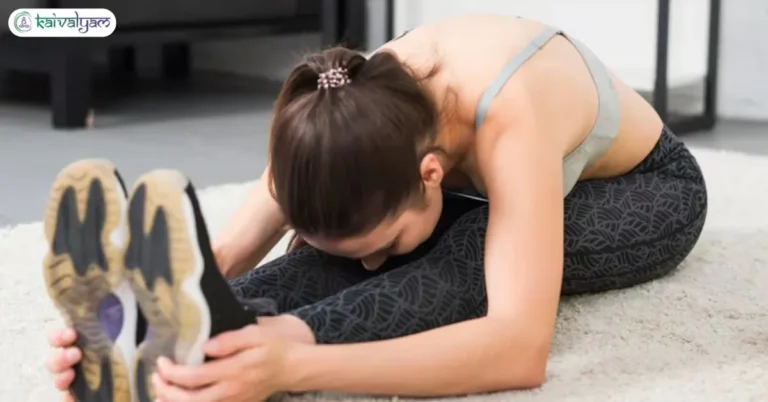
Prolonged sitting can cause the stiffening of your hamstring muscles. Sitting and not moving a single muscle makes the muscles stiff and consequently limits the supply of blood to the muscles. To counter the negative consequences of sitting, one should perform some hamstring stretches, which enhance the mobility around the region. Stretching enhances blood circulation within the muscles and aids in the straightening of the leg and proper standing. A daily stretching routine for women supports better mobility and overall wellness.
4. Before Bed
When we are working or having a normal working day, we hardly realize that stress is taking its toll on our muscles and tightening them to the point of being extremely tight. The stress is accumulated in the muscles, and it becomes hard to relax and have a good night’s sleep.
It is also among the causes of insomnia that is on the increase among working professionals who are highly stressed. Daily stretching can help relax the exhausted muscles, and one can sleep better. A full body morning stretch wakes up muscles and boosts energy for the day.
5. After Getting up
Yes, some of them are even good in the morning when you rise early. They may also perform ankle circles, neck circles, and other such stretches advised by their physiotherapist, especially for arthritis patients who experience sore and inactive muscles in the morning. In general, also, considering your muscles remain inactive during the process of sleeping, stretching them after waking up makes them active. The best stretches for beginners include easy poses like toe touch and neck rolls.
Why is Stretching Good: Advantages of Daily Stretching
Here are some simple yet powerful advantages that show why making stretching a daily habit can truly improve your overall health and well-being.
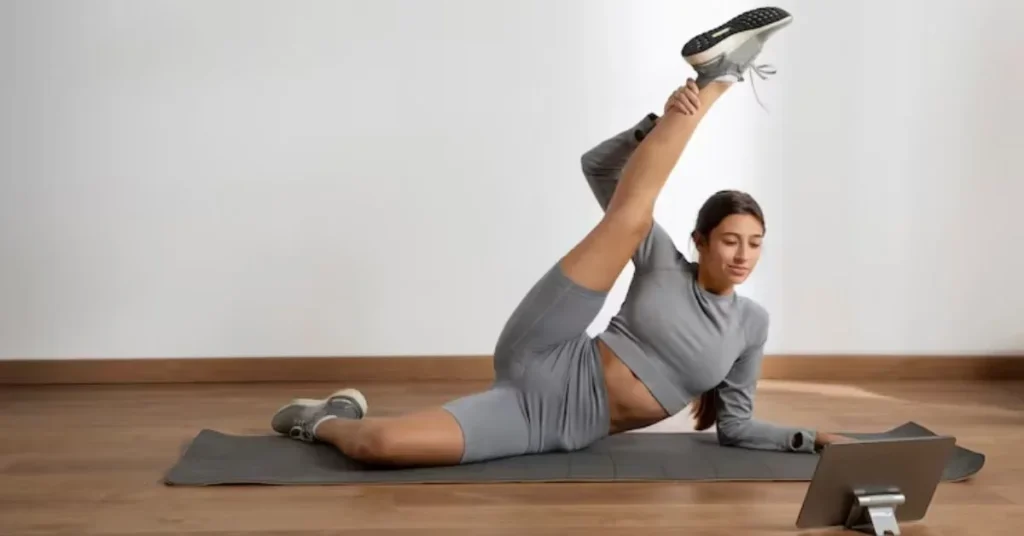
1. Boosts Flexibility
Among the short-term advantages of stretching is the gain of flexibility. Stretching enables your muscles to remain flexible, strong, and healthy, which is important in ensuring that you have a complete range of movement in your joints. Devoid of flexibility, the muscles become tight and short, causing pain and limited movement. Health benefits of stretching include reduced stress and improved circulation.
2. Relieves Tension
Stress may be physical and present itself through tension, particularly in the neck, shoulders, and back. Stretching to reduce this tension can be achieved through relaxation of the muscles to increase circulation and, consequently, relieve stress. Spending a few minutes every day stretching can work miracles in relaxing your mind and body. Stretching workout at home is convenient and requires no special equipment.
3. Prevents Injuries
Stretching will help prevent injuries, including muscle strains and sprains. You will be in a better position to engage in physical activities, whether it is sporting or other daily activities, by maintaining your muscles loose and flexible. Stretching is important whether you are an athlete or even an active person to keep you injury-free.
4. Improves Posture
Incorrect posture, particularly when sitting a lot, may cause pain and permanent spinal problems. Regular stretching will help reverse the consequences of sitting by stretching tight muscles, especially those in your back, chest, and shoulders, and enhancing your overall posture.
5. Increases Blood Flow
Stretching enhances the circulation of blood, thus supplying more nutrients and oxygen to your muscles. This enhanced blood circulation aids in the recovery of the muscles, decreases the soreness, and improves the general health of the muscles. It is an easy but efficient method of keeping your muscles well-fed and in good condition. How to start stretching begins with slow, gentle movements and proper breathing.
6. Eases Pain
Stretching can help in case you experience stiffness or chronic pain, especially in your back, neck, or shoulders. Stretching these parts frequently will help to decrease stiffness and enhance flexibility, thus making everyday movement less painful and more comfortable.
Final Thoughts
Stretching is a necessary activity that enhances flexibility, tension relief, injury prevention, posture, blood flow, and pain. To achieve these long-term benefits, consult yoga experts who suggest proper stretching. Stretching is an easy yet effective method to reach your objectives, whether you are trying to improve your athletic performance or just lead a pain-free life.
People Also Ask
A. Stretching every day increases flexibility and improves the flow of blood and muscle functionality. It aids in decreasing stiffness, enhancing posture, and warming up the body to physical activity; thus, it is an indispensable component of a well-balanced fitness program.
A. You do not have to spend much time on it. A 10-15 minute stretch each day is sufficient to achieve some results. Regularity is better than length, and thus even brief sessions conducted regularly can enhance flexibility and mobility in the long run.
A. Both have benefits. The stretching in the morning will help to wake up the body and decrease the stiffness, and the stretching after the workout will help to relax the muscles and avoid tightness. Preferably, both light morning stretches and deeper ones after exercise should be included.
A. Yes, stretching regularly makes muscles flexible and joints mobile, and this minimizes the chances of strains, sprains, and muscle imbalance. It also enhances the coordination and the range of motion, making movements safer.
A. Light stretching may alleviate muscle soreness by enhancing blood flow and relaxation of muscle tension. But very sore muscles must not be overstretched–light and easy.
A. Absolutely. Tightening of muscles, particularly in the neck, shoulders, and hips, assists in correcting the imbalances that cause poor posture. In the long run, it can assist you to sit and stand in a more upright position with less pain.
Also Go Through:-