Sattva guna is not a fixed state you arrive at. It requires conditions. The biggest blockers are obvious once you name them. Chronic sleep deprivation raises rajas and tamas simultaneously. Ultraprocessed food (high sugar, artificial additives, stale or reheated repeatedly) increases tamas. Constant screen stimulation, especially before bed, spikes rajas. Unresolved emotional conflict burns through sattvic reserves faster than almost anything else.
The environment matters too. Loud, chaotic spaces don’t destroy Sattva guna, but we can fix it. Traditional yoga practice recommends sadhana in a clean, quiet space at a consistent time. This isn’t superstition. Routine reduces the decision-making load on the prefrontal cortex, which leaves more cognitive bandwidth for presence.
Most people walk into a yoga class looking for flexibility or stress relief. Fair enough. However, the tradition behind yoga poses a much larger question: what kind of mind do you want to live in? Sattva life is the answer the ancient texts keep returning to.
Sattva Yoga: What Does it Mean
Sattva is one of the three gunas described in Samkhya philosophy, the framework that underpins classical yoga. The word sattva meaning comes from Sanskrit. “Sat” means truth or being. Sattva, by extension, refers to a quality of clarity, lightness, and awareness. If you’ve been practicing yoga for physical results but feel like something’s missing, sattva life is probably what you’re circling. Bodywork is the entry point. Clarity is the destination.
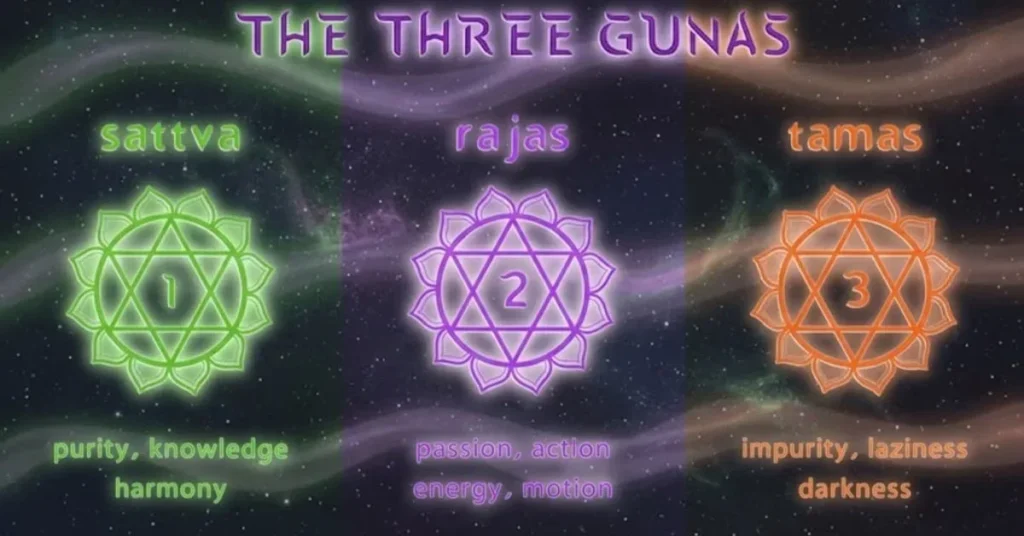
The three gunas are tamas (inertia, heaviness), rajas (activity, restlessness), and sattva (clarity, balance). They exist in everything: food, thought, behavior, and the time of day you wake up. Nothing is purely one guna. Your state at any given moment reflects its ratio.
Sattva guna, when it rises, produces a quality of mind that can see things as they are. Not filtered through craving or dullness. Just clear perception. The Bhagavad Gita describes a sattvic person as someone who acts without attachment and rests without collapse. That’s a harder standard than touching your toes.
Why Sattva Guna Matters for Your Practice?
Sattva yoga is not primarily a physical discipline. That’s worth stating plainly. The Yoga Sutras of Patanjali describe yoga as the “cessation of the fluctuations of the mind.” The bodywork matters because it affects the mind’s state. A stiff, exhausted, or overstimulated body creates a stiff, exhausted, or overstimulated mind.
Sattva means to build mental stillness accessible. When rajas dominate, the mind races. When tamas dominate, the mind goes dumb. When sattva rises, attention becomes steady. This is the prerequisite for meditation, for real self-inquiry, for anything deeper than a good stretch. Sattva life leads you a peaceful path of your life away from the other two gunas, Raja and Tama.
Ancient Ayurvedic texts, including the Charaka Samhita, describe sattvic qualities in terms of mental health outcomes, such as better memory, sharper discrimination, and resistance to emotional reactivity. These aren’t mystical claims. They describe what happens when the nervous system is well-regulated.
Practice non-reactivity for one hour a day. Choose a window where you respond instead of react: pause before answering messages, notice irritation without expressing it immediately, and observe the urge before following it. This is where Sattva life becomes practical rather than theoretical.
Read Also:- Are Short Yoga Classes Enough
The Benefits of a Sattvic Life
Sattva wellness isn’t about being passive or endlessly serene. That’s a common misreading. A sattvic person can act with full force. The difference is that action comes from clarity, not compulsion. Here’s what shifts when sattva wellness and sattva guna become your dominant qualities. Your sleep improves.
Tamasic sleep is heavy and difficult to shake off. Sattvic sleep is restful and leaves you alert. Ayurveda recommends waking before sunrise, the “brahma muhurta” period, as a sattvic daily practice. Your food choices change naturally. Sattvic foods are fresh, lightly cooked, and simple to digest: fruits, vegetables, whole grains, nuts, and dairy. They create lightness rather than sluggishness. The Bhagavad Gita dedicates an entire chapter (Chapter 17) to how food quality reflects and shapes the guna we’re operating from.
Your emotional reactivity drops. Not because you suppress feeling, but because the sattvic mind can observe an emotion without being swept away by it. That gap between stimulus and response is what practitioners call equanimity. It’s trainable. Your relationships become calmer.
Rajasic people create friction. Tamasic people withdraw. Sattvic people tend to listen before reacting and speak without needing to win. None of this transformation happens overnight. Most practitioners see meaningful shifts after three to six months of consistent satvic practice.
Conclusion
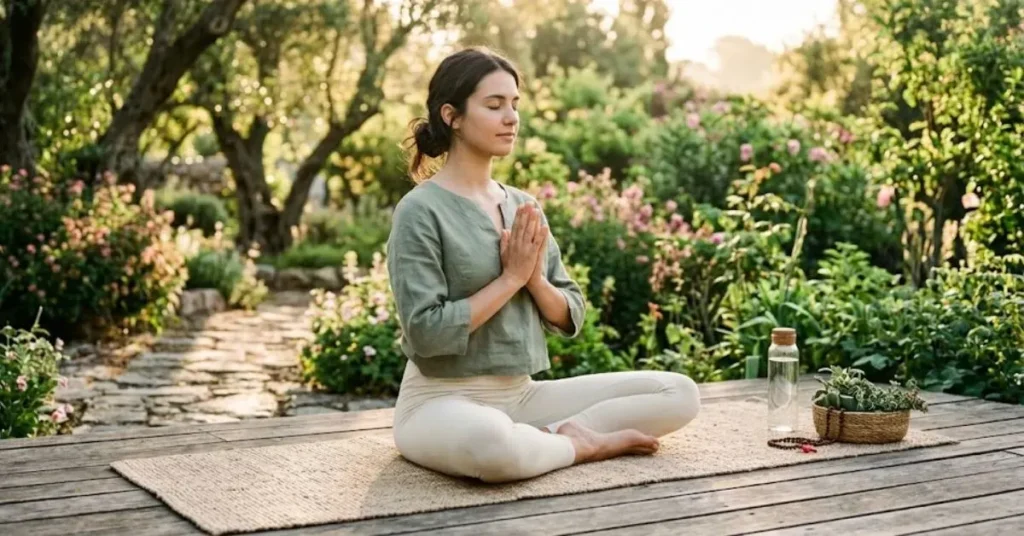
Sattva yoga isn’t a style of class. It’s a way of practicing with the gunas in mind. Start with your morning. Wake before 6 AM if you can. Sit quietly for ten minutes before reaching for your phone. Even five minutes of pranayama, specifically nadi shodhana (alternate nostril breathing), shifts the nervous system measurably within a single session.
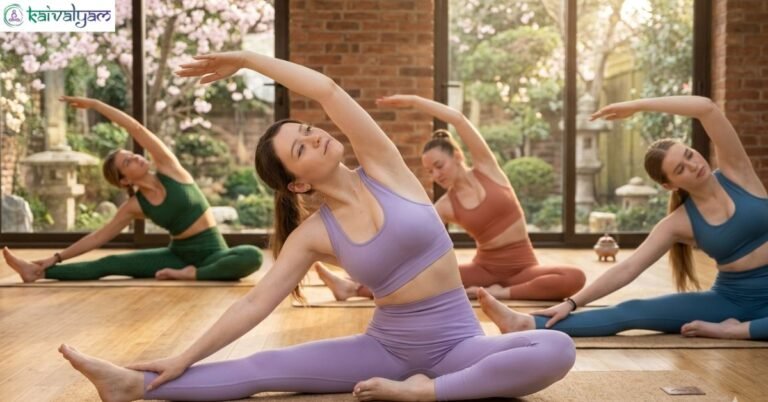
Add a consistent sattva yoga asana practice. The postures that most directly build sattva guna are forward folds, gentle inversions, and slow, breath-led sequences. Not hot power flow. Not competitive. Something that asks your attention inward rather than outward.
Eat one sattvic meal per day. One meal of fresh, simply prepared food is a real start. Khichdi (rice and lentils with mild spices) is the classic sattvic dish in Ayurveda and takes under 30 minutes. Read something that asks you to think. Sattvic study, called “svadhyaya” in the Yoga Sutras, means self-inquiry through text. The Yoga Sutras, the Upanishads, or even a serious work of philosophy qualify. Scrolling doesn’t.
Answers to Common Questions
A. Sattva is a Sanskrit word describing clarity, balance, and lightness of mind. In yoga philosophy, it’s one of three fundamental qualities (gunas) present in nature and in human beings. A sattvic state means your mind is clear, your energy is steady, and your perception is accurate rather than distorted by craving or dullness.
A. Tamas are heavy and inertia. Rage is restlessness and agitation. Sattva guna represents the quality of balance between them. You need some rajas to act and some tamas to rest, but when sattva dominates, both action and rest happen without friction or excess.
A. Anyone can work with Sattva Wellness. It doesn’t require advanced asana skills. Sleep, food, daily routine, and the quality of your attention are all accessible starting points. Most people notice a shift in mental clarity within two to three weeks of consistent sattvic habits.
A. Fresh fruits, vegetables, whole grains, legumes, nuts, seeds, and dairy fall into the sattvic food category. They’re light, fresh, and minimally processed. Heavy meat, alcohol, fermented foods, and anything stale or reheated repeatedly are considered tamasic and work against sattva life.
A. No. Sattva yoga refers to practicing yoga with the intention of cultivating sattvic qualities: clarity, steadiness, and inward awareness. Any style of yoga can be practiced sattvically if the approach is calm, breath-led, and noncompetitive. It’s about orientation, not a specific sequence or class format.
Also Go Through:-