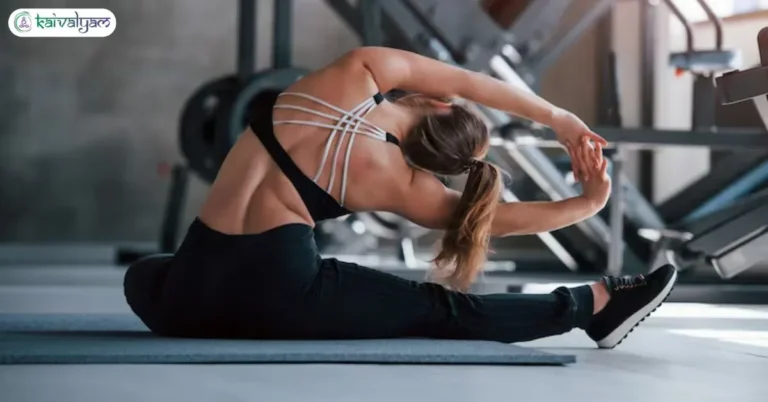
Sit all day long, feeling pain in your lower back, or tightness in your upper legs and hips? If you experience any of these, then you’ll want to add in some psoas stretches. Although the psoas muscle, also known as the psoas major, may not receive a ton of attention (or a ton of stretches) on the dance card, it plays a crucial role in all of your daily movements, from walking to climbing stairs to any popular exercise that involves your legs, like leg raises and bicycle crunches.
When it’s tight, you may feel physical discomfort that can hinder regular movement and athletic performance, and that’s where some highly beneficial psoas stretches swoop in to work their magic. Here, we will discuss different poses for iliopsoas release. Continue reading to find out everything you need to know about the psoas. Iliopsoas release helps reduce hip tightness and pain.
The Iliopsoas Muscle: What is it?
The iliopsoas is considered to be the strongest hip flexor in the human body, and it’s an accurate assessment. This is a muscle group that is used in nearly all of the lower-body movements that we use during the day.
The iliopsoas is in constant use from the moment we wake up in the morning, through our day at school or work, to when we’re playing a ball game, or sitting down and fixing our posture. This is the reason why issues with this muscle can lead to a lot of discomfort and lack of mobility in daily activities. Here, you will know how to stretch the iliacus safely for better flexibility and movement. Also, discover various poses for iliopsoas release.
Yoga Poses for the Iliopsoas muscle relaxation
A balanced and flexible psoas can be maintained by regular stretching, yoga and bodywork. Iliopsoas yoga improves posture and hip mobility naturally. Meditation and mindfulness techniques are also a great way to help promote emotional release and stress reduction, which can indirectly work for this important muscle.
1. Low Lunge (Anjaneyasana):
It is one of the best poses for iliopsoas release. This pose stretches the psoas muscle and promotes flexibility. Start in a lunge stance, with one foot in front and one foot back. Squat down to the floor, with your front knee over the top of your ankle. Slowly lower into the stretch, noticing the stretch in front of the hip and thigh.
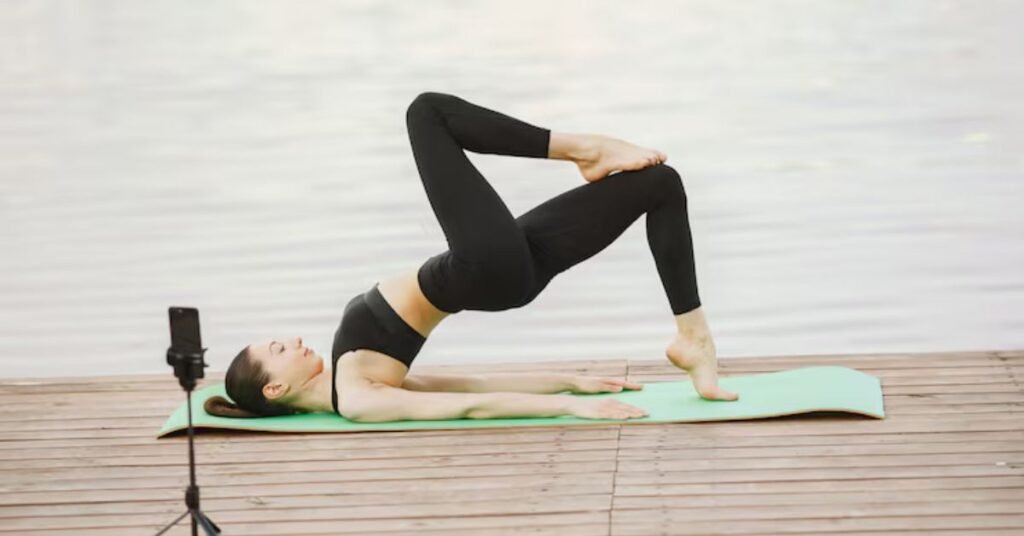
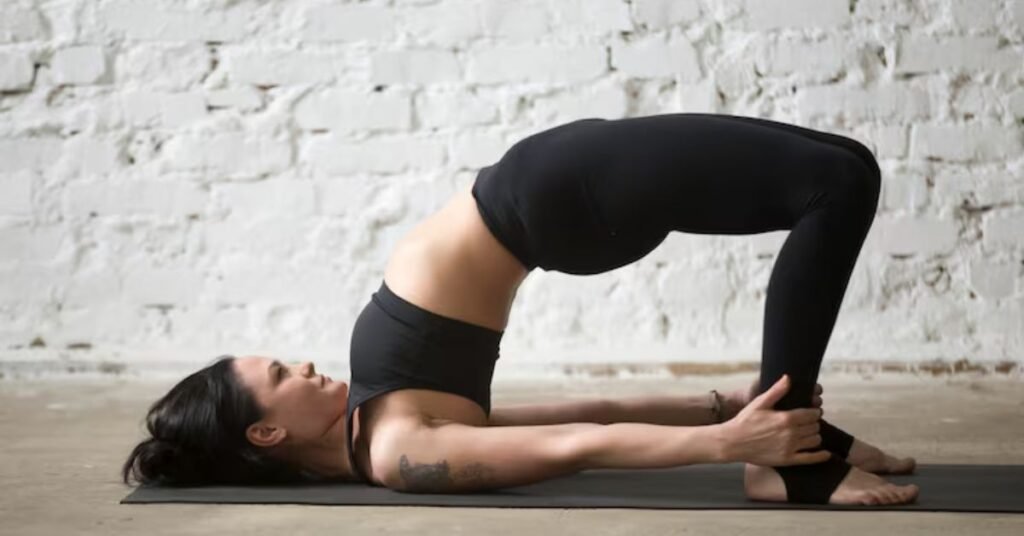
2. Bridge Pose (Setu Bandha Sarvangasana):
The bridge pose helps to build strength in the lower back and glutes, as well as strengthen the psoas. Lying on your back, bend your knees and put your feet flat on the floor. Raise hips towards the ceiling, keeping feet and shoulders on the ground. This stretch strengthens and stretches the psoas. Iliacus muscle release can ease lower back discomfort fast.
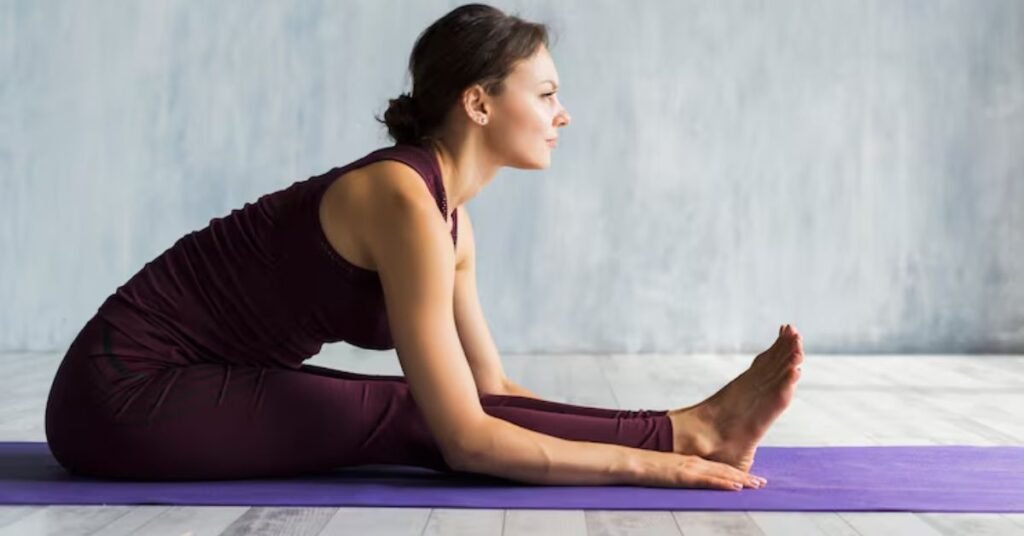
3. One-Legged King Pigeon Pose (Eka Pada Rajakapotasana):
This is a more challenging pose that offers a good stretch into the psoas. In the downward dog position, move one knee forward between your hands. Slide your other leg back, lowering your hips to the ground. This is a deep hip flexor stretch for the extended leg’s psoas.
The psoas muscle is not just a piece of our physical body; it is a bridge between body and spirit, our emotional and psychological health and our physical health. How to release iliacus with simple daily stretching methods.
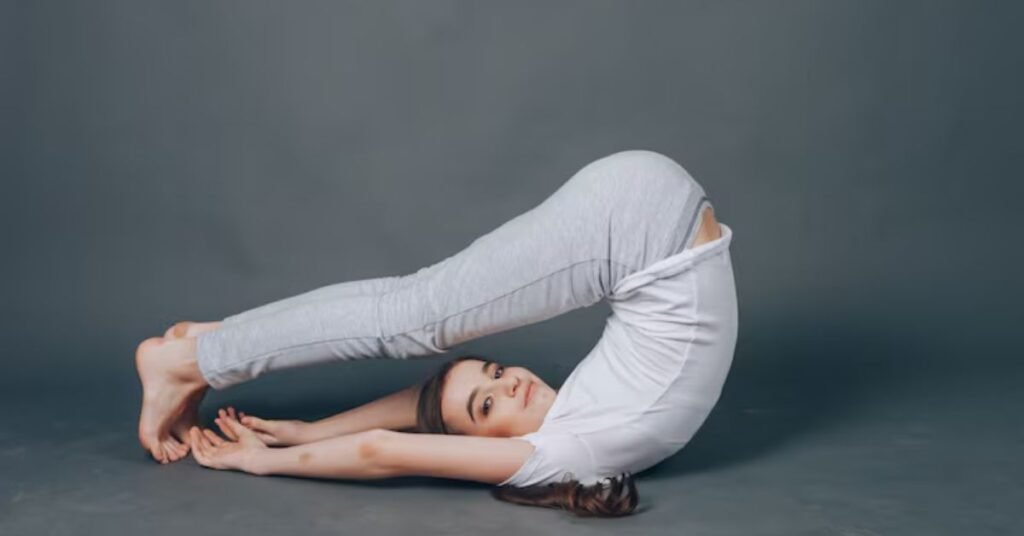
4. Tree Pose
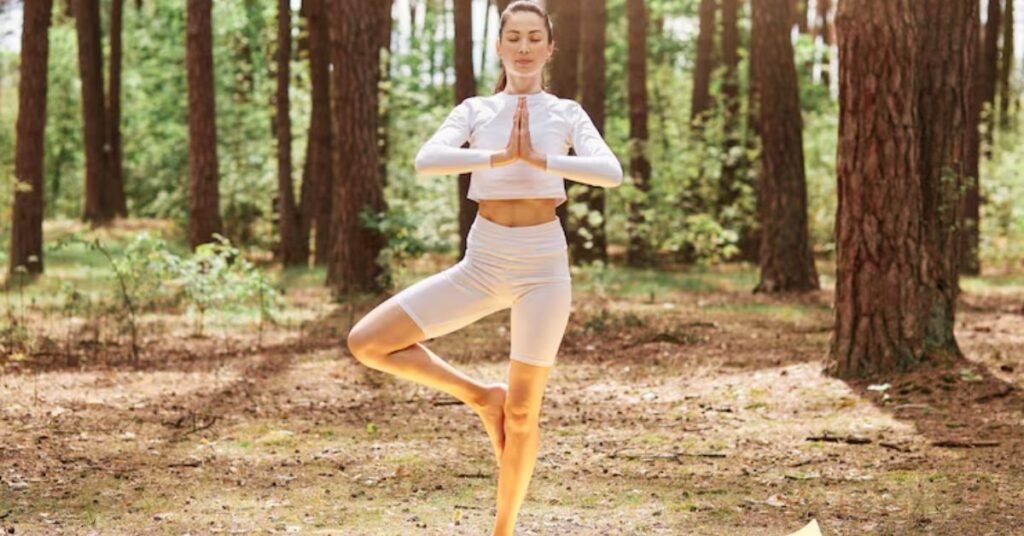
Tree pose is an excellent exercise for strengthening and stretching the psoas while isolating it for strength-building through balance. Iliacus stretching exercises help improve hip strength and balance.
With feet hip distance apart, arms at side, stand in Mountain pose. Transfer your body weight to your left foot, and bend your right knee upward.
Put the heel of your right foot on the inside of the left thigh. Maintain a straight back and head, and look forward. Take a moment to regain balance, place your hands in the Namaste position. Take in 5-6 deep breaths. For its effectiveness you can consider it one of the best poses for iliopsoas release.
5. Knee-To-Chest Pose
If you are suffering from pain in your psoas and you have trouble walking or standing upright, the Knee-To-Chest pose is a supine stretch that can help alleviate your symptoms. While lying on your back, flat on your back, with your arms at your sides. Take a breath in and as you breathe out, pull your right knee toward your chest.
Psoas yoga poses support flexibility and body alignment. Slowly, stretch and extend your left leg until you sense tension start to ease in your abs and inside of your hip. Whilst holding the knee to your chest, try to remember to breathe and relax all the way through your core. Then hold for 30-60 seconds, and repeat on the other side.
6. Reclining Hero’s Pose
To relax the psoas muscle in a gentle stretch, you can adjust Hero’s pose to a recumbent stance, stretching out the quadriceps muscle. Sit on your yoga mat, and place the back of your buttocks on the backs of your heels. Sit upright, breathe in and then, as you breathe out, slowly bend your body forward to the floor. Slowly move down onto your back, vertebra by vertebra.
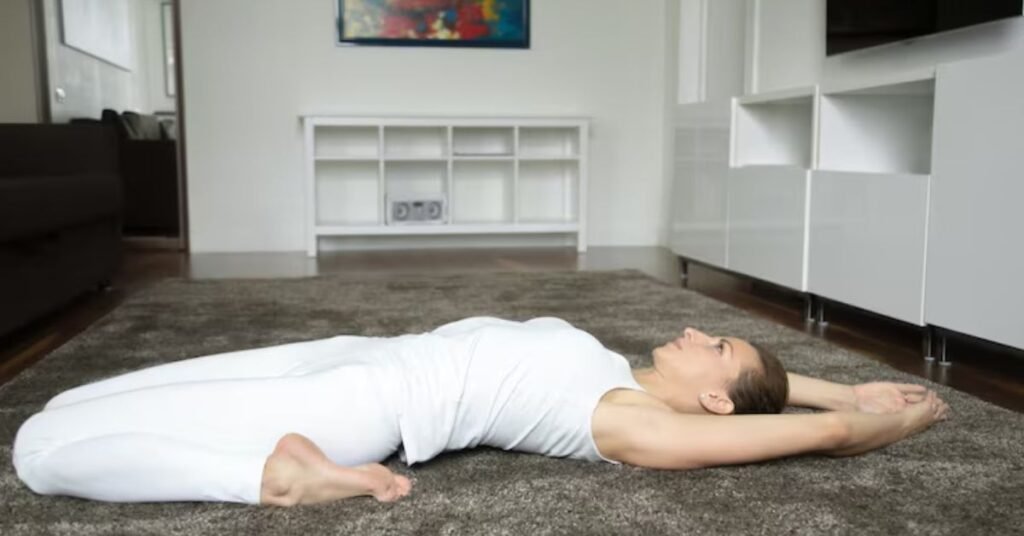
Place hands on chest and or arms above head for a stretch. With rest on the back, you can also reach your focus on your hips, and lift them slightly up for an increased stretch in your psoas minor. Yoga poses to release psoas may reduce stiffness and tension.
7. Happy Baby Pose
Happy baby pose is a gentle yoga posture that helps to increase relaxation and flexibility. Happy Baby Pose is a simple and gentle yoga posture that may help to increase relaxation and flexibility. As the name suggests, the pose involves lying on your back, with your knees bent toward your chest, and holding on to your feet.
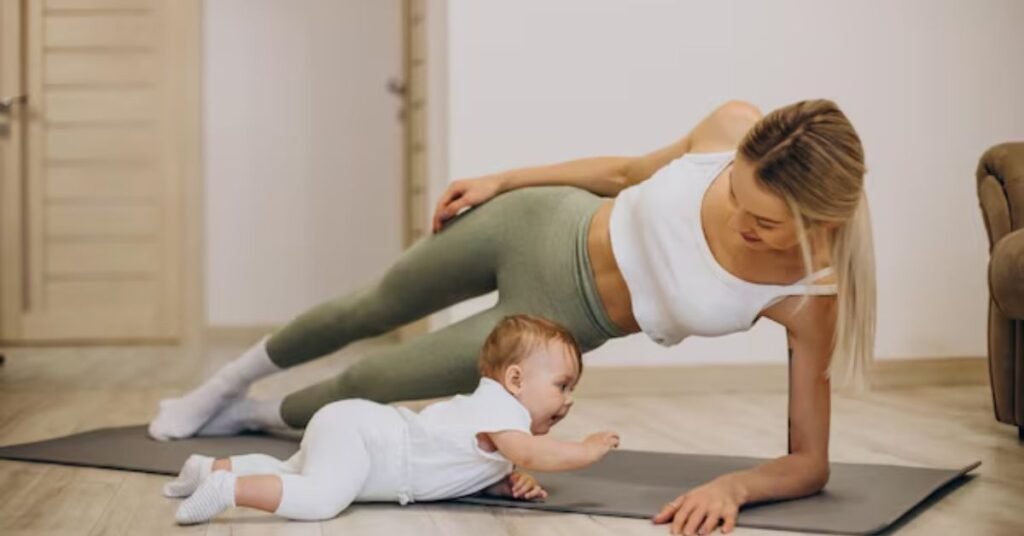
Happy Baby Pose, also known as Ananda Balasana in Sanskrit, is a stretch common to yoga and Pilates. The Happy Baby Pose is often incorporated into workouts like yoga and pilates, because of its gentle, calming motion. It may also help to improve flexibility and mobility.
Related Post:- Why Stretching Daily Is The Key To Your Fitness Routine?
8. Cobra Pose
When you’re in Cobra pose, your abs are stretched long, and your lower back is relaxed. Stretch your legs and extend your arms over your head, put your chin on your forearms and lie on your abdomen. Put your hands in front of your chest and push downward using your hands. Slightly lift your head off the mat, keeping your head and back aligned, and press your thighs together.
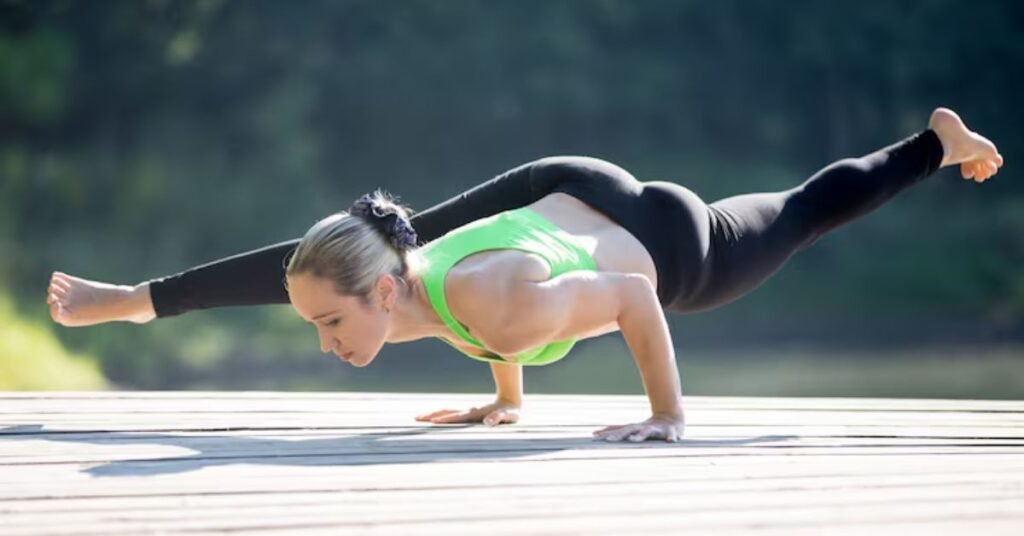
Now slowly pull elbows towards ribs and position hands and shoulders. As you take a deep breath, push your hands into the mat, pull your shoulders back and raise your upper body from the mat. Be sure to look up and squeeze your hips into the mat to focus on your psoas. Sustain in this position for a couple of breaths and relax. How to loosen psoas muscle for better comfort and movement.
Final Thoughts
The mentioned poses for iliopsoas release can be practised to help loosen the hip, improve posture, alleviate lower back pain and increase mobility. Prolonged sitting, stress, and/or intense physical activity can make the iliopsoas muscle tight, so gentle stretches like low lunge, pigeon pose, bridge pose, and reclined twists are beneficial for relaxing and lengthening the muscle.
Practising these poses with consistency will help to improve flexibility, body alignment and efficiency in movement. Don’t push yourself into deep stretches or movements if it hurts or causes injury.
Frequently Asked Questions
A. The iliopsoas is a deep hip flexor muscle group that consists of the psoas major and the iliacus muscles. It is a link from the bottom of the backbone to the hips and is very important for walking, posture and movement.
A. Frequently, a tight iliopsoas is a result of sitting for too long, improper posture, stress, overtraining, or lack of stretching and mobility exercises.
A. Low lunge, pigeon pose, bridge pose, cobra pose, happy baby pose, and reclined spinal twist are some of the effective poses to practise.
A. Tight hip flexors can certainly decrease strain on the lower back and pelvis, and thus help to alleviate some lower back pain.
A. Regular gentle stretching, 3-5 times per week, can help to increase flexibility and mobility over time. If practised with care, it can be beneficial.
A. No, you might experience a slight to medium stretch, but if it’s sharp or intense, STOP and make a change.
Read Post:-