Sciatica pain (aka “radiculopathy” – look it up with your spine doctor) is generated by irritation, inflammation, pinching or compressing the nerve in your low back. Most often, it is due to a “herniated disk” that compresses the nerve root. Yoga for sciatica can improve flexibility and comfort.
The Sciatic nerve is the longest nerve in your body that travels from the lower back, the buttocks and the side of your leg. Made up of several separate nerves that arise from the spine in the lower back. So even though you may primarily feel the pain in your leg, it’s originating from your back. Avoid deep twists in yoga poses to avoid with sciatica.
Several symptoms can present themselves with Sciatica, but the most common of all are the following:
- Some pain on one side of the buttocks & leg
- Pain that feels sharp or stabbing.Sharp/stabbing pain sensation.
- The tingling sensations or numbness occur in the hands or feet, eyes, nose, and mouth.
- Burning sensations or “Electric” sensations.
Sciatica pain can be present at all times or may flare up and disappear. Sitting/standing for extended periods can worsen the pain. Sudden body movements, twists, can also aggravate pain. Here, we will discuss yoga for sciatica pain relief that will be helpful.
Precautions to take when Practising Yoga for Sciatica
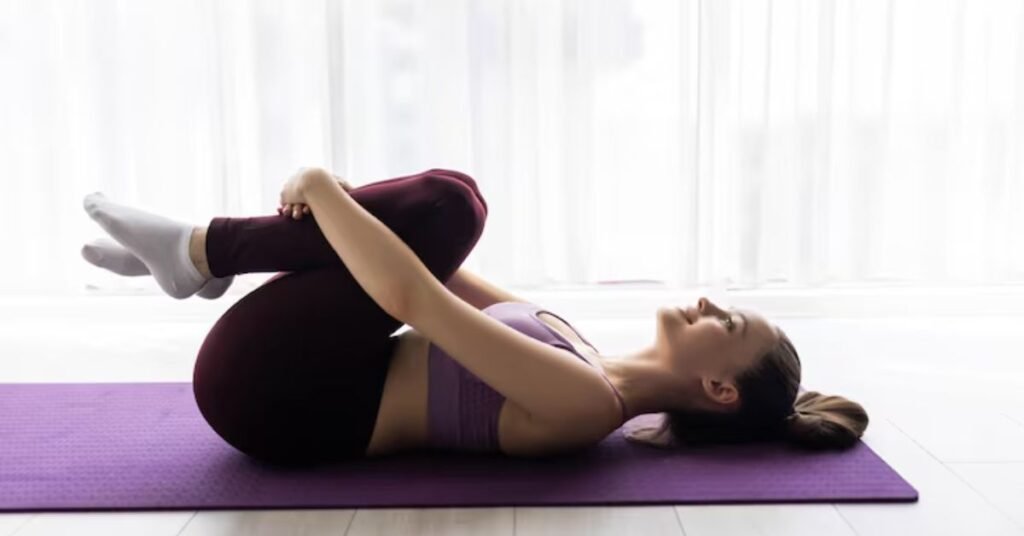
Yoga for sciatica can ease pain by slowly stretching out the spine and stretching tight muscles while avoiding worsening nerve irritation, but it needs to be executed with caution in order to improve sciatica pain. Make sure to practice gentle, supported stretches such as lying poses, but focus on maintaining pelvic stability and avoid deep forward bends, deep twists and sensations of a pinched sciatic nerve. Learn safe movements in yoga sciatica poses to avoid.
Do’s (Recommended Practices)
Below are the things that you can do while practising yoga for sciatica pain relief.
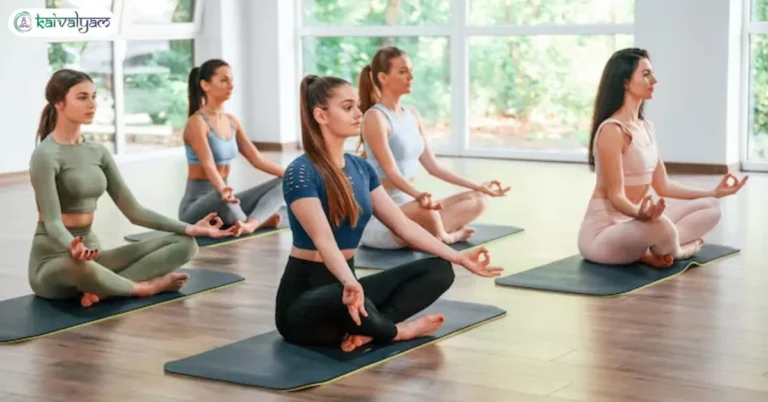
- Go with Gentle/Restorative Yoga: Work on quieting down the nervous system and gentle decompression.
- Use Props: Start using cushions, bolsters and blocks under knees for support in seated poses.
- Focus on Supine (on their back) Poses: Forward bends, twists while lying down on your back (supine) to lower the strain on the spine.
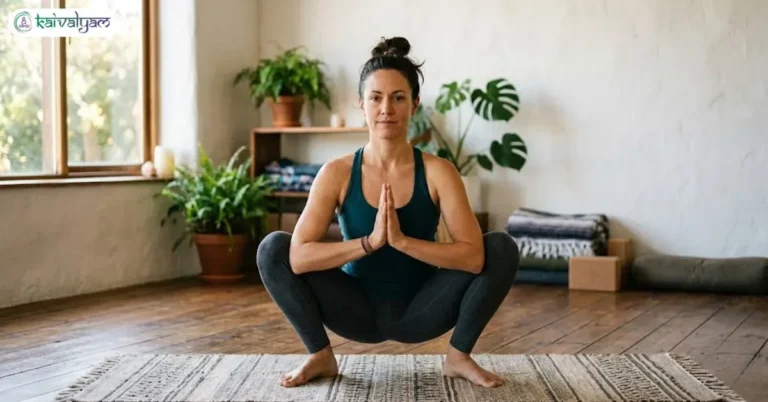
- Work on Hip Opening: Slightly stretch the Piriformis muscle; if it’s tight, it may be pinching the Sciatic nerve.
- Support the core muscles/glutes: Develop strength in the core muscles and glutes to support and stabilize long-term.
- Listen to Your Body: STOP if sharp pain occurs, immediately.
Don’ts (Recommended Practices)
Below are the things that you should not do while practising yoga to relieve sciatica pain.
- Steer clear of deep forward bends, as forward bends when standing up (Uttanasana) and seated (Paschimottanasana can overstretch and contribute to aggravating nerve irritation.
- Avoid deep twists or violent twists, particularly deep and violent spinal twists, while seated.
- Try to avoid Straight-Leg Exercises as lifting straight legs (particularly during core work) can place undue strain on the sciatic nerve.
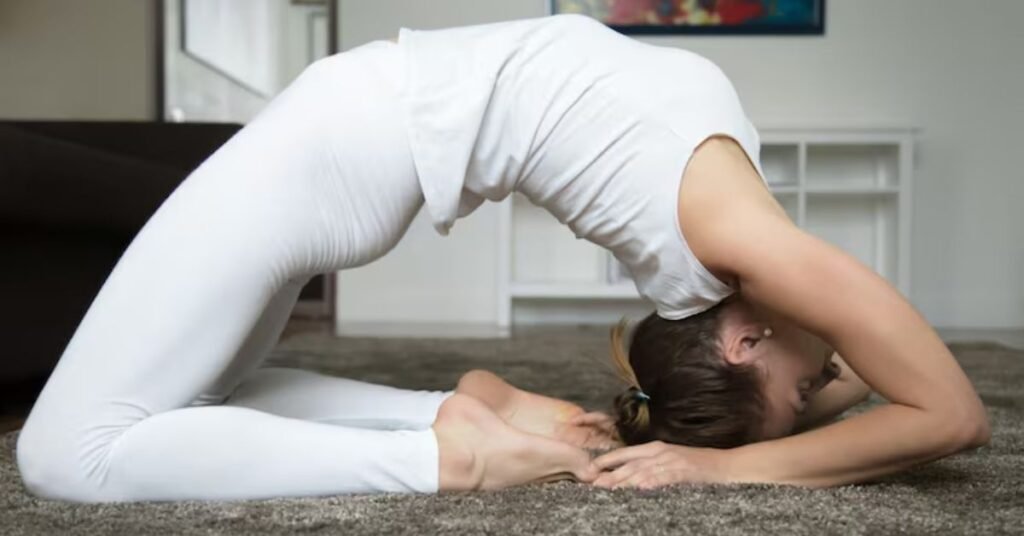
- Refrain from poses that are difficult for the gluteals to support and/or bring about pressure in the area, like Bridge Pose or Wheel Pose, if they cause pain.
- Never Hold Breath: Practice smooth, steady and gentle breathing.
- Do not over-extend –Challenge the body to go beyond the point of resistance even when the body has previously achieved that stretch, until this is no longer possible.
Also Go Through:-100 Hour Yoga Training Course in Rishikesh
Excellent Yoga Asanas for Sciatica Relief
Many people ask, does yoga help with sciatica pain naturally? Well, it helps to relieve the pain. Witnessing an expert yogi performing a handstand or making a pretzel with their body may make one think that yoga is intimidating. However, there are several gentle yoga positions that can be completed by any fitness level, and some may be useful in relieving sciatica pain. Gentle yoga sciatica stretches may reduce stiffness.
Standing Hamstring Stretch
The yoga position can relax the pain and tightness in the hamstring muscles commonly related to sciatica. To do this pose:
- Right leg on chair or step with leg straight and right foot bent (may have to bend the knee a little if necessary).
- Move slightly towards the extended foot (stretch as far as it feels good to you).
- Keep for 30 seconds and then repeat with the other leg.
Sitting Pigeon Pose
This stretch can help relieve sciatic nerve pain by helping to stretch the glutes and lower back.
To do this pose:
- Perform on the floor with legs long in front.
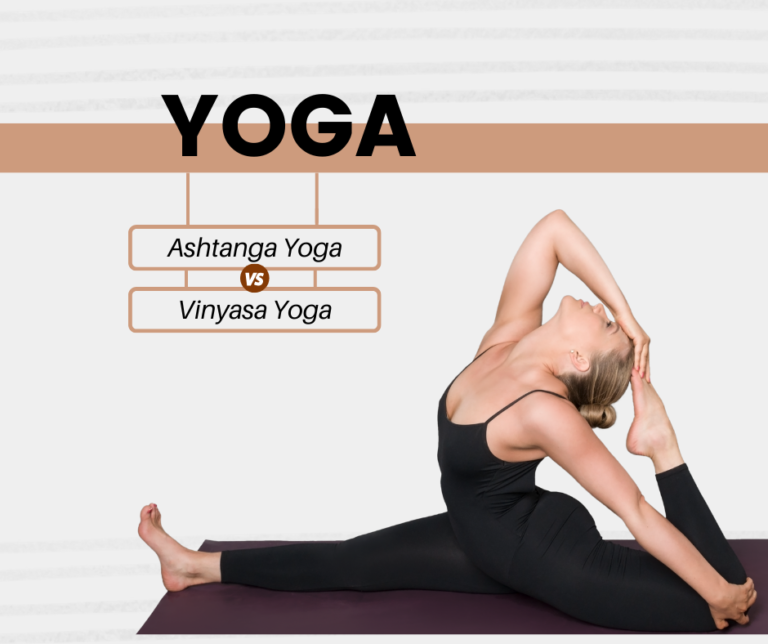
- Pick up the right leg with a bent knee and cross the right ankle over the left knee.
- Bend forward and reach out towards your leg.
- Maintain for 15-30 seconds.
- Repeat the other side.
Reclining Pigeon Pose
Reclining pigeon pose stretches the piriformis muscle (that sometimes compresses the sciatic nerve). This also works to lengthen the hip rotator muscles. To do this pose:
- Supine with right leg brought up to 90°.
- Hold hands together behind the thigh.
- Raise the left leg and cross the right ankle over the left knee.
- Maintain the position for 15 to 30 seconds.
- Repeat on the other side.
Final Thoughts
In a carefully planned and guided yoga course, it is possible to reap great benefits when dealing with the pain of sciatica. Try the best yoga asanas for sciatica for daily relief. Yoga for lower back pain and sciatica supports better posture. Preliminary stretching, strengthening positions and conscious breathing can help alleviate nerve compression, increase flexibility and alleviate lower back pain. But not all the yoga positions are good for sciatica sufferers.
To prevent further irritation, avoid deep twists, intensive forward bends, and activities which aggravate the pain. Adopting the right posture, listening to the body and taking it easy makes practice safe Yoga can be a valuable natural tool for maintaining a healthy spine with consistent and careful practice. Know the Activities to avoid with sciatica pain to prevent discomfort.
Frequently Asked Questions
A. While yoga won’t cure sciatica forever, it will help players experience a significant reduction in the pain and improve flexibility, which can help prevent a flare-up if done consistently, when it is triggered by structural conditions of the spine.
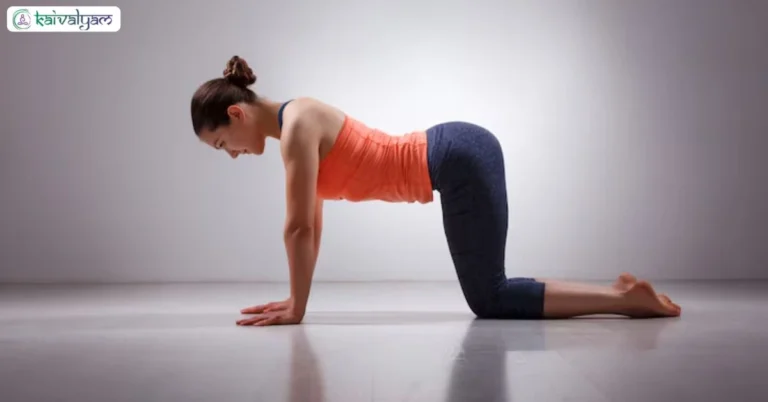
A. Yoga asanas that involve gentle stretches and strength building of the lower back and hips can relieve sciatica discomfort, like Child’s Pose, Cat-Cow, Cobra and Pigeon Pose.
A. While deep forward bends, intense spinal twists and poses injuring the lower back or shooting pain are prohibited, individuals suffering from sciatica should indeed avoid these poses that would cause the back pain.
A. Gentle stretching and restorative yoga can be helpful in the event of intense pain or inflammation, but it is best to avoid yoga movements that are too intense. It is recommended that one consult a Health Care Professional or a Yoga Therapist.
A. Regularly practising gentle yoga (3/5 times a week) can benefit the improvement of one’s flexibility, posture and muscle strength, which may aid in long-term alleviation of sciatica.
A. While it may be possible to practice yoga for sciatica, practising yoga that involves some of the more advanced poses is not recommended by those practising yoga for an aching back and buttocks unless a certified yoga instructor with experience in therapeutic yoga can provide the assistance and guidance needed.
Read Post:-