There are numerous individuals who will never cease reporting fatigue. You may be one such person. Lethargy can lead to many complications on your part, continuously. One of the reasons why you may feel the same may be that you are not getting enough rest or sleep. Practising fatigue yoga regularly can help restore your body’s energy and reduce constant tiredness.
The first thing that one must do before beginning a yoga practice is to consult with a medical practitioner and to select the appropriate type of yoga that fits one’s needs. The other things to do in order to be prepared are to make your practice fit your level of energy, listen to your body and be kind to yourself.
In this article, we will discuss the preparation of yoga for fatigue with CFS, as well as provide some poses and exercises that can raise the level of energy and increase the quality of life.
Best Yoga Poses for Fatigue
There are several types of yoga for fatigue to reduce fatigue:-
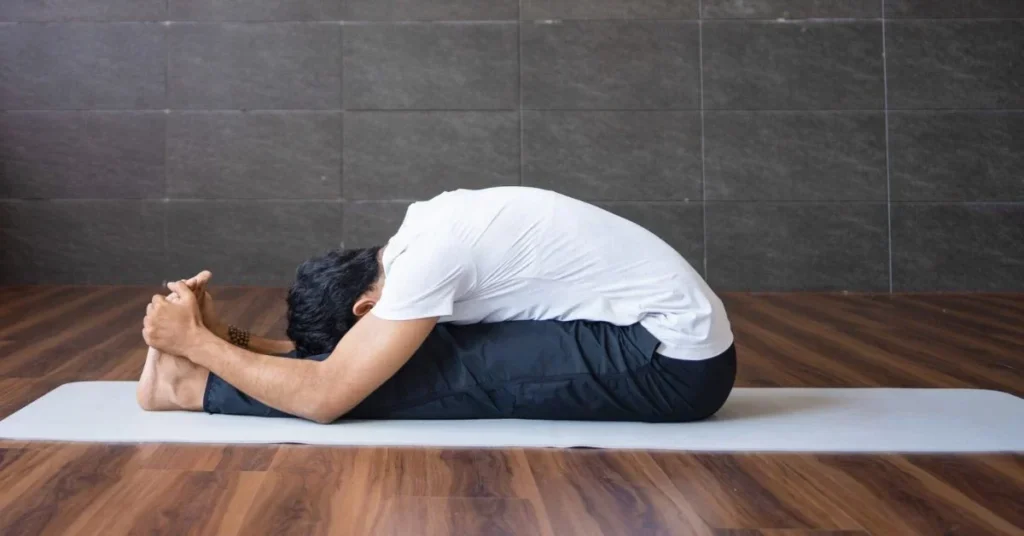
1. Child’s Pose (Balasana)
Begin with your hands and knees together, with your big toes touching and your knees at a hip distance. Get on your heels and extend your arms forward. Lay your forehead upon the mat and take a few deep breaths. Yoga and fatigue are closely connected because gentle poses and breathing techniques can naturally fight exhaustion.
2. Mountain Pose (Tadasana)
It is a useful yoga for fatigue. Keep your feet at hip distance and your arms by your sides. Foot press- Press the feet into the ground and use leg muscles. Shoulder down and back, and bring the head crown towards the ceiling. Breath deeply and hold a few breaths.
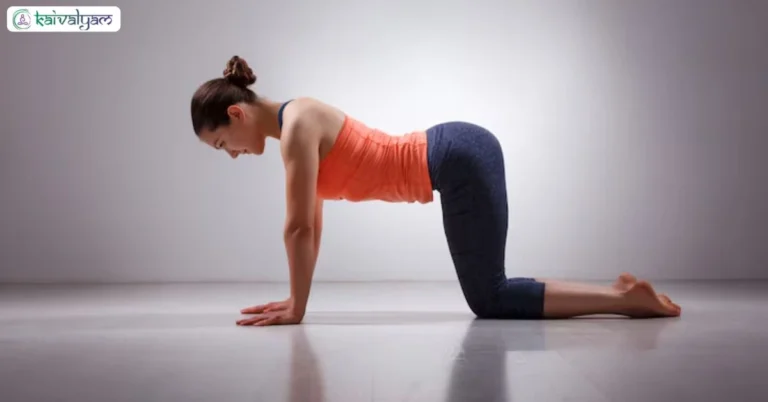
3. Cat/Cow Pose (Marjaryasana / Bitilasana)
Begin on your hands and knees with your wrists right below your shoulders and your knees right below your hips. Breathe in and curve the spine, tailbone and head towards the ceiling (Cow Pose). Round your spine, exhale, and tuck your chin against your breast and bring your hands and knees to the ground (Cat Pose). Repeat several times.
4. Downward-Facing Dog Pose (Adho Mukha Svanasana)
Get on your hands and knees, with your knees positioned under your hips and your wrists directly under the shoulders. Bend your toes and lift your hips to the ceiling. Plunge your hands and feet into the ground and take a few breaths. Daily yoga for tiredness helps relax the mind and refresh the body after a long, stressful day.
5. Cobra Pose (Bhujangasana)
Lie face down, placing your hands under your shoulders and your elbows near your sides. Breathe in and squeeze your hands, lift your chest and head up. Strauss the shoulders, and bring them back to the rest and take a few deep breaths.
6. Tree Pose (Vrksasana)
Keep your feet at hip distance and your arms at your sides. Transfer weight on the left foot and raise the right foot to be on the left inner thigh. Push your thigh and foot and your hands to your heart. Take several deep breaths. Repeat on the other side.
7. Bridge Pose (Setu Bandha Sarvangasana)
You should lie on your back with your knees bent and your feet touching the ground. Place your feet and arms into the ground and draw your hips up to the ceiling. Keep your shoulders bent down and back and take a few deep breaths.
Read Also:- 200 Hour Yoga Training Course in Rishikesh, India
Cautions and Care in Yoga with Chronic Fatigue Syndrome
There are a few precautions and considerations that one should take to make yoga a safe and beneficial practice. Simple stretches and breathing exercises in yoga for lethargy can boost circulation and improve alertness. The following are some of the precautions and considerations to be taken when using yoga with CFS:-

- Take it slow:- You should take it slow and build up slowly in practising it so that you do not overdo it and worsen the symptoms. Listen to your body, respect your limitations.
- Modify poses:- There are a lot of yoga poses which can be adjusted to your needs and restrictions. There is nothing to be afraid of using props or altering poses to make them easier.
- Avoid Heat:- Do not practice in a hot room or do vigorous yoga practices that can make the symptoms worse and make a person even more tired.
- Restorative yoga practice:- Restorative yoga, which consists of poses that are gentle and supported and include deep relaxation, can be especially helpful with people with CFS.
- Pay attention to the breath and mindfulness:- Yoga is not only about the physical movement, but it also focuses on breath control and mindfulness. Such practices may aid in the stress reduction process, slowing down the nervous system and raising the energy levels.
- Hydrate:- One should remain hydrated prior to, during, and after yoga to prevent the worsening of the symptoms.
With these tips and guidelines, yoga may be a safe and effective exercise activity among individuals with Chronic Fatigue Syndrome.
The Bottom Line
The body usually sends you a message to take it easy through fatigue. Restorative yoga for fatigue provides rest in an uncomplicated, pragmatic manner. The body relaxes with assistance and calmness, the breath becomes more relaxed, and the tension is relieved effortlessly. You can feel steadier and clearer going back to your day just by taking a little practice. Gentle movements in yoga for fatigue support better energy flow and overall physical recovery.
Answers to Popular Questions
A. Yoga can indeed be of great assistance in alleviating fatigue through the enhancement of blood flow, oxygen delivery and relaxation of the nervous system. Light stretching and controlled breathing stimulate the relaxation effect of the body that will help to replenish energy and ease physical and mental fatigue.
A. Child Pose, Downward-Facing Dog, Legs-Up-the-Wall Pose, Cat-Cow Pose, and Corpse Pose are some of the most effective yoga moves that can be used in fatigue. The poses stretch the body in a very mild manner, and the tension in the muscles is relieved, the circulation is enhanced, which makes the body feel refreshed and energized.
A. Yoga can alleviate fatigue and enhance the overall energy level by practising it for 15-30 minutes a day. Even a brief one, which involves relaxation and deep breathing, would aid the body in rejuvenating from stress and fatigue.
A. Both periods are useful in accordance with your needs. Yoga in the morning is a way of waking the body, increasing metabolic rate and enhancing concentration in the day. Evening yoga, particularly restorative yoga, is useful in relieving stress that is built up during the day and enhances sleep.
A. The majority of yoga in a fatigue state is easy and not challenging. Poses such as Child’s Pose and Legs-Up-the-Wall Pose are the most appropriate poses that a beginner should practice since they do not need much flexibility and they still provide a lot of relaxation.
Also Go Through:-